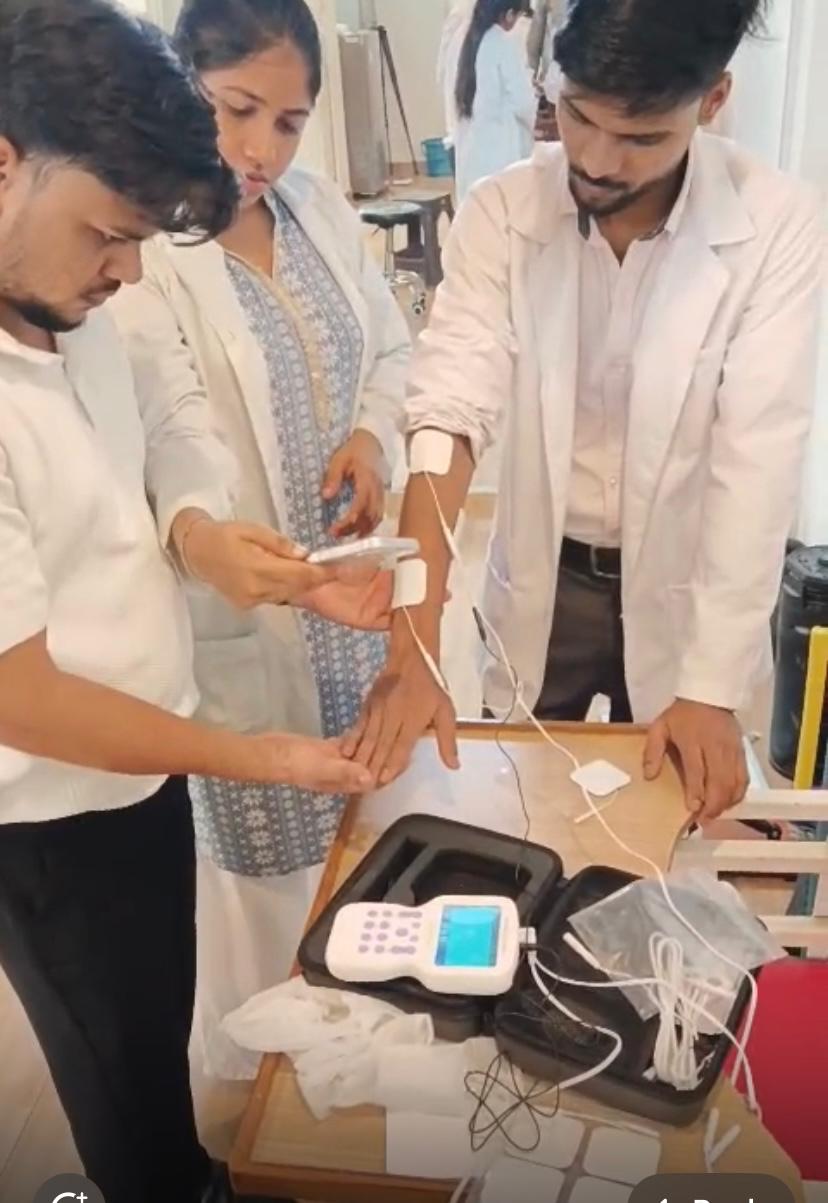
Clinical Mechanism & How It Works
The Electromyography (EMG) System is a state-of-the-art diagnostic and therapeutic tool used to assess the health of muscles and the motor neurons that control them. By recording the electrical activity produced by skeletal muscles during rest and contraction, the system translates these signals into graphs, sounds, and numerical values that specialists interpret to detect neuromuscular abnormalities.
In a rehabilitation and physical therapy setting, surface EMG (sEMG) is highly valuable as an interactive biofeedback mechanism. Non-invasive electrodes are placed on the patient's skin, allowing both the therapist and the patient to view real-time visual representations of muscle firing. This helps patients consciously relearn motor control, isolate specific muscle groups, and correct muscle imbalances during their recovery journey.
Technical Features & Specifications
High-Fidelity Signal Amplification
Utilizes advanced noise-reduction algorithms and high-performance hardware amplifiers to capture crystal-clear, low-amplitude electromyographic signals without interference from environmental electrical noise.
Dual-Modality Functionality (Surface & Needle)
Supports both non-invasive surface electrodes (sEMG) for movement analysis and therapeutic biofeedback, as well as needle electrodes for deep-tissue clinical diagnostics and nerve conduction studies.
Integrated Analytics & Visual Software
Features dynamic, real-time software that processes raw electrical data into easily readable 2D/3D visual graphs, auditory feedback, and comprehensive, exportable diagnostic reports.
Patient & Clinical Recovery Benefits
Precise Neuromuscular Diagnostics
Accurately identifies the root cause of muscle weakness, numbness, or spasms, enabling clinicians to differentiate between primary muscle conditions (myopathy) and nerve disorders (neuropathy).
Enhanced Motor Relearning via Biofeedback
Allows patients to "see" their muscles working on a screen in real-time, drastically improving neuromuscular re-education, spatial awareness, and targeted muscle activation during rehabilitation exercises.
Objective Tracking of Recovery Progress
Replaces subjective assessments with highly accurate, quantifiable data, allowing therapists to track exact improvements in muscle recruitment and firing rates over the course of a treatment plan.